

 See My Latest Article on HelloNation

What Is an Emergency Fund and Why Is It Crucial for Households in Kenosha, WI?
An emergency fund is a reserve of money set aside to cover unexpected expenses, helping local residents maintain financial stability during events like job loss, medical emergencies, or urgent repairs. For many in Kenosha, periodic lake-effect storms, fluctuating seasonal energy costs, and property maintenance issues make emergency savings especially relevant.
Building an emergency fund is not about accumulating wealth, but ensuring there is a financial safety net when life’s disruptions cause a sudden need for cash. Even modest savings can add a layer of security and peace of mind for area households.
How Much Should Residents Aim to Save in an Emergency Fund?
Most financial educators recommend saving enough to cover three to six months of essential living expenses. In Kenosha, this target often reflects costs such as:
- Rent or mortgage payments
- Utility bills (factoring in winter heating spikes and summer cooling)
- Groceries
- Insurance premiums
- Medications or health care
- Transportation and car maintenance
Local factors—such as older home infrastructure or reliance on personal vehicles—may mean some residents need to adjust this amount up or down. If three months feels out of reach, starting with a target of $500 to $1,000 can already cushion against many common emergencies.
What Practical Steps Can Residents Take to Begin Building an Emergency Fund?
Start by opening a dedicated savings account, separate from daily spending accounts. This makes it easier to track progress and discourages dipping into savings for non-emergencies.
1. Assess your budget: List essential monthly expenses using a notebook, spreadsheet, or a budgeting app.
2. Set a realistic goal: Determine an initial amount that won’t strain ongoing obligations—often $20 to $50 per paycheck.
3. Automate savings: Set up a recurring transfer on payday, even if the amount is small.
4. Identify savings opportunities: Review regular expenses. In Kenosha, some options include lowering winter thermostat settings at night or comparing car insurance options annually.
5. Bank windfalls: Tax refunds, overtime, and birthday gifts can go directly into the fund.
Progress varies; the key is steady deposits, not perfection or speed.
What Are Common Challenges and Misconceptions About Emergency Funds?
One frequent misconception is that saving isn’t possible without extra income. Yet, even small, regular contributions add up over time—and starting with a $10 monthly goal is better than putting plans off.
Challenges often faced by Kenosha households include:
- High winter utility bills disrupting regular savings
- Medical expenses not fully covered by insurance
- Temptation to use the fund for non-emergencies
To avoid these pitfalls, define what qualifies as an “emergency”—for example, surprise car repairs, not routine oil changes. Keeping the account out of sight (such as at a different bank) also helps reduce temptation.
How Can Area Residents Build an Emergency Fund on a Tight Budget?
When funds are limited, focus on reducing small discretionary spending and capturing irregular income. Some locally realistic strategies include:
- Packing home-cooked meals instead of frequenting nearby takeout spots
- Reviewing monthly subscriptions and canceling unused services, especially as family schedules change with the seasons
- Grouping errands to cut down on gas costs during harsh winter months
- Taking advantage of community events or free activities in local parks as cost-effective entertainment
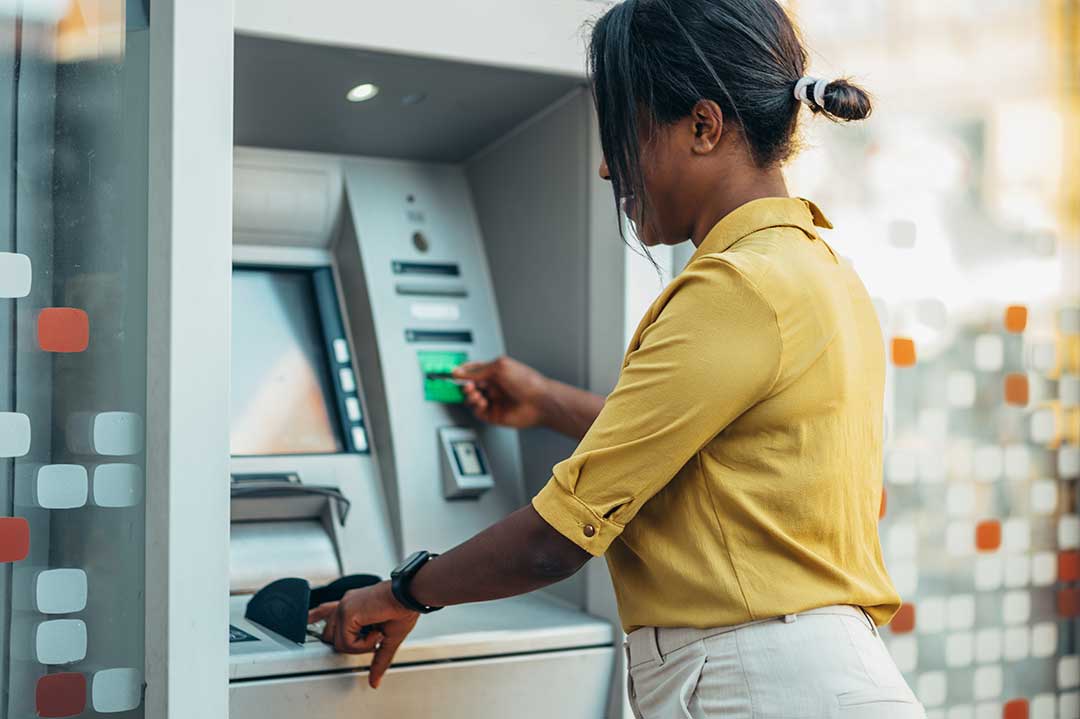
For those on variable or unpredictable income, set a percentage—such as 5% of every paycheck or side job payment—for the savings fund.
Where Should Emergency Fund Savings Be Kept to Ensure Quick Access When Needed?
An ideal emergency fund is held in a high-yield savings account (if available), money market account, or traditional savings account at a local bank or credit union. The funds should be:
- Separate from checking accounts, but accessible within a day or two
- Not invested in stocks or tied up in retirement accounts, where withdrawal may take longer or carry penalties
- Reliable in terms of ATM or branch access, especially during power outages or storms (a factor in Kenosha’s climate)
Do not keep large sums in cash at home due to risks from fire, weather, or theft.
What Local Concerns Should Kenosha Residents Consider When Saving for Emergencies?
Climate and infrastructure in the city raise a few special considerations:
- Winter readiness: Fluctuating heating costs can create surprise bills. Factor this into your emergency goal.
- Home repairs: Sudden needs like roof work or sump pump replacement are common in older neighborhoods.
- Flooding: If residing near the lake or low-lying areas, funds may be needed for minor flood mitigation or basement repairs.
- Healthcare access: Changes in job status or insurance coverage can lead to gaps in care, making funds for copays and medications vital.
Being familiar with recurring local hazards or typical expenses tied to each season will help keep an emergency fund target realistic and relevant.
How Long Does It Typically Take to Build an Adequate Emergency Fund?
Building up three to six months of living expenses is usually a gradual process. For many in the community, reaching the first $500–$1,000 can take several months, with the full recommended amount achieved over a year or longer.
Focus on progress, not perfection. Regularly check in with your budget, revisit savings plans, and adjust as circumstances—such as rent increases or a new job—change.